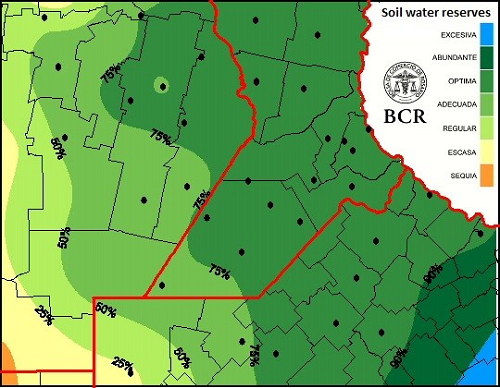
2017/2018 ends with 30% less of soybean At first, the commercial year seemed like it was going to be very successful. But when the oilseed began to demand more water, the rains did not appear. After five and a half months without rain, the soils dried up and the cultivation did not stop deteriorating day by day. The drought took a total of 5.3 million tons of soybeans. Then, the rains appeared without stopping for three weeks followed by high temperatures. This environment favored the germination of the grains that were still in the plant. There were new decreases in yields and large discounts for quality. The result has been the reduction of the weight of the grains and a high degree of sprouted, rotten and also green grains. The damages were in the order of 20 to 80%. The yields of the last plots harvested fell by 35% compared to what was collected before the storm. The commercial year ends with 14.9 million tons of soybean, 6.1 million tons less than what was calculated at the time of sowing. Corn affected by de the storm The corn planted in December was also affected by the passage of the storm. There is a high amount of plants with sprouted grains and fungal infections. The excess of humidity and the high temperatures generated the ideal environment for the germination of the grains and the proliferation of some fungi. It is expected that there will be an impact on the yield of the cereal. Soil water reserves improved to start the new wheat for 2018/2019 The week without rain allowed to lower the excesses of water and the water reserves are presented between optimal and adequate. There is a small area east of Córdoba where reserves are still scarce.